If you have ever tried to reach small business owners, you already know the annoying part.
They are busy. They are hard to identify. And they get hit with generic outreach all day long. Email. Calls. LinkedIn DMs. “Hey quick question” messages from strangers who clearly did not even look at the website.
So most outreach fails for predictable reasons:
People buy random lists and hope for the best.
They blast the same email to 2,000 businesses in different industries.
They cold call with zero context and get shut down in 10 seconds.
They assume volume fixes everything. It does not.
This post is meant to fix that, without making it complicated.
You are going to get 8 proven ways to reach small business owners, and for each one I will show:
The traditional approach (manual, slow, often messy)
The modern approach using AI lead generation with TradeWind AI (faster targeting, cleaner lists, better timing)
Quick definitions, plain English:
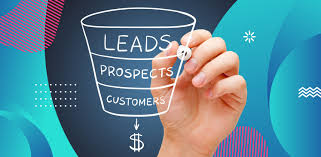
Lead generation means finding potential customers who might buy from you.
Targeting means reaching the right people, not just more people.
Ok. Let’s set you up correctly first, because tactics without clarity turns into spam really fast.
One effective way to reach out to small business owners is through personalized messaging platforms like WhatsApp. With our comprehensive WhatsApp guide, you'll learn how to leverage this platform for more meaningful interactions that cut through the noise of generic outreach.
Another strategy is to create a VIP experience for your leads. This involves providing exclusive content or offers that make them feel special and valued. Our blog on creating a VIP strategy can provide valuable insights into this approach.
By implementing these strategies alongside AI lead generation methods from TradeWind AI, you'll be well-equipped to successfully reach and engage small business owners.
Before you start: Get clear on your ‘ideal small business owner’ (ICP) in 10 minutes
ICP is “ideal customer profile”. Basically your best fit customer. Not who you can sell to. Who you should sell to.
Here’s a simple 10 minute checklist. Open a doc and fill this out:
Your ICP checklist
Industry: (dentists, HVAC, ecommerce brands, accountants, etc.)
Location: (country, state, city, or “within 30 miles of X”)
Team size: (solo, 2 to 10, 10 to 50)
Revenue range: (only if it matters, otherwise skip it)
Tools they use: (Shopify, QuickBooks, ServiceTitan, HubSpot, etc.)
Typical pain point: (no time, too many leads, inconsistent cash flow, bad reviews, rising ad costs)
Buying trigger: (just hired, opened a new location, recently raised prices, got negative reviews, website redesign, new competitor)
Also decide what “small business owner” means for your offer. Sometimes it is:
Owner/founder
Operator or GM who runs day to day
Partner at a small firm (law, accounting, consulting)
Then create your message angle. Keep it simple:
problem → outcome → proof → next step
Example:
“We help local HVAC companies turn missed calls into booked jobs. Our last client added 23 booked jobs in 30 days. Want to see the exact call flow?”
No jargon. No “synergy”. Just a clear outcome.
Where TradeWind AI helps: you can turn your ICP into filters and signals so you’re not manually hunting on Google for hours. This is the core benefit of AI lead generation. You define the “who”, and the tool helps you find matching owners faster, and usually with better data.
Now the methods.
For instance, if you're targeting the RTLS industry in Mexico, or looking into air solutions in Russia, or even exploring the solar panel battery charger industry in the UAE, TradeWind AI can provide valuable insights. Similarly, if you're interested in sugar plant engineering in Brazil or the surgical lavage system industry in Mexico, our platform can streamline your research process and help you find the right business owners faster and with more accurate data.
Method 1: Build a targeted prospect list (the right way)
What it is
A prospect list is just a list of SMBs that match your ICP, with accurate contact details and basic business details (industry, location, size, role).
Traditional approach
Most beginners do some mix of:
Google Maps searching and copying businesses into a spreadsheet
LinkedIn searching for “Owner” and guessing who is real
Scraping tools
Buying generic lists
The problems show up fast:
Outdated emails and wrong phone numbers
You cannot tell who is actually the decision maker
You waste time “researching” businesses that were never a fit anyway
TradeWind AI powered approach (AI lead generation)
With TradeWind AI, you can build a list based on ICP signals like:
Industry and location
Role keywords (owner, founder, managing partner)
Website keywords (services offered, niche focus)
Tech stack hints (tools used, platform signals)
Intent like signals (fresh hiring, new location, recent changes)
You are basically saying, “Find me these kinds of businesses”, and it helps you discover and enrich the prospects without the same manual grind.
For instance, if you're looking to tap into specific industries such as Algeria's paprika industry, Australia's mobile phone repair industry, or Japan's insulation materials industry, TradeWind AI can streamline your search significantly.
Practical takeaway
Start with 50 high fit leads, not 5,000 random contacts.
Track:
% fit (how many truly match your ICP)
Bounce rate (bad emails = list problem)
Reply rate (message and fit problem)
If you can’t explain why every lead is on your list, your list is not targeted. It is noise.
Method 2: Cold email that doesn’t feel like spam (personalization at scale)
What it is
Short, relevant emails that show you understand their context, and you offer one clear next step.
Traditional approach
The classic beginner flow:
Buy a list
Use a generic template
Add {FirstName} personalization
Send 500 emails
Get 0 replies and 12 spam complaints
Manual personalization does work, but it is slow. And deliverability drops when your list quality is bad or you send too much too fast.
TradeWind AI powered approach (AI lead generation)
Instead of writing “one email for everyone”, use segmentation and cues like:
Industry specific pain points
Local context (city, neighborhood, service area)
Service keywords pulled from their site (so you sound like you actually looked)
Simple grouping by niche and offer fit
TradeWind AI can help you build tighter segments and give you the “why this business” detail, so emails feel tailored without you spending 4 minutes per lead.
Practical takeaway
Keep the email to 80 to 120 words. Use this structure:
1 line context
1 line value
1 proof point
1 question or CTA
Example:
Subject: Quick idea for {BusinessName}
Hi {Name} I saw you serve {City} and focus on {Service}.
We help {industry} owners {specific outcome}.
Recently we helped a similar business add {result}.
Worth a 10 minute call this week to see if it fits?
That is enough. If they want more, they will ask.
Method 3: Cold calling (but only after you have the right context)
What it is
Phone outreach to owners or operators with a tight reason for calling, not a random pitch.
Traditional approach
Calling from directories and hoping:
You hit gatekeepers
You reach the wrong person
You have no relevant context
You sound like every other cold caller
Connect rates stay low. And you burn out quickly.
TradeWind AI powered approach (AI lead generation)
Cold calling improves a lot when you call businesses at the right time.
TradeWind AI can help prioritize call lists using fit plus recency signals like:
New locations or expansions
Hiring activity
Recent reviews (good or bad)
Service changes or promos on the site
Now you have a reason that does not feel fake.
Practical takeaway
Aim for micro commitments:
“Did I catch you at a bad time?”
“Should I call back tomorrow morning or afternoon?”
“Worth a quick 10 minute call later this week?”
And log outcomes. If “not a fit” keeps happening, it is targeting, not your script.
Method 4: LinkedIn outreach (connections that turn into conversations)
What it is
Connect with owners, show up a bit, then message with something relevant.
Traditional approach
Broad connection requests + copy paste DMs.
Low acceptance rates
Spam complaints
Account restrictions if you push it too hard
Also, most owners are not living on LinkedIn all day. You have to be respectful and specific.
TradeWind AI Powered Approach (AI Lead Generation)
The advantage of using TradeWind AI is its ability to enhance targeting and refine messaging:
Identify ideal business owners by niche and location
Extract insights from their recent posts or type of business
Maintain a human touch in your messages, making them specific and relevant
With TradeWind AI, the "random networking" approach is minimized. Instead of connecting with everyone, you are engaging with a specific segment that aligns with your goals.
Practical Takeaway
Implement a straightforward three-touch sequence:
Connect (without a sales pitch)
Send a value message (share something beneficial)
Extend a short invite
Aim to keep messages under 300 characters when feasible. For instance, an example invite could be:
“Open to a quick 10 min chat this week? I have 2 ideas for improving {specific thing} for {business type} in {city}.”
Method 5: Local SEO + Google Business Profile (Targeting Owners Already Searching)
What it is
This strategy involves enhancing your visibility through search engines and local listings. It proves particularly beneficial if your business operates locally or targets a specific geographic area.
Traditional Approach
Typically, businesses guess keywords, produce random posts, and wait for months without seeing results. The challenge lies not in the effort expended but in maintaining focus. Often, businesses might be trying to target too many niches simultaneously.
TradeWind AI Powered Approach (AI Lead Generation)
Here's where the underrated move comes into play.
Leveraging TradeWind AI's lead generation insights allows you to identify clusters of small and medium-sized businesses (SMBs) based on niche and location. This insight can then inform the development of tailored content and offers that resonate with those clusters.
For instance, TradeWind AI can reveal patterns such as:
“There are numerous med spas in this county”
“A significant number of accountants operate within these zip codes”
“Many roofers are expanding in these suburbs”
With these insights, you can create web pages that align with actual demand while also compiling an outreach list to amplify early successes. The combination of SEO and targeted outreach often yields better results than relying solely on SEO.
Incorporating TradeWind AI's features, such as scanning custom data & over 100 local sources for prospect identification, automating outreach via EDM/social/voice channels, can further streamline this process.
For more information on how TradeWind AI is transforming industries like Argentina's glass manufacturing or the US vehicle surveillance camera system market, you can explore our detailed reports on these sectors:
In addition to these strategies, it's also important to stay updated on the latest trends and best practices in SEO. For instance, joining groups like [Dumb SEO Questions](https://www.facebook.com/groups/DumbSEOQuestions/posts/931745481828
Practical takeaway
Create 3 pages or posts for your top niche + location combos. For instance, if you're targeting the granite slab gravestone and memorial industry in Lithuania, or the vacuum cleaner industry in Malaysia, ensure you tailor your content accordingly.
And add a simple lead magnet:
checklist
template
short “audit” offer
Something an owner can say yes to without overthinking.
Method 6: Partnerships (reach owners through trusted channels)
What it is
Partner with people who already serve your ICP, like:
accountants and bookkeepers
marketing agencies
IT providers and MSPs
coworking spaces
chambers of commerce
industry associations
Traditional approach
Networking blind, sending generic partnership pitches, and waiting. It is slow because you are not sure who is worth pursuing.
TradeWind AI powered approach (AI lead generation)
TradeWind AI can help you identify high leverage partners based on:
niche served
geography
offerings listed on their website
audience match to your ICP
Then you build a targeted partner list with clear outreach angles. Which is the key. A partner pitch should not be “let’s partner”. It should be “here is an easy win for your clients”.
Practical takeaway
Propose a low friction collaboration:
a short webinar
co branded checklist
referral swap with a clear rule
Define the win win in one sentence.
Example: “I’ll bring you 10 warm intros to local dentists, you introduce me to owners who ask about website leads.”
Method 7: Paid ads with tight targeting (when you need speed)
When using paid ads, ensure your targeting is tight. This strategy can be particularly effective in industries such as Belgium's wind turbine erection sector or the Netherlands' exit button industry.
What it is
Using Google, Meta, or LinkedIn ads to generate leads or booked calls.
Traditional approach
Broad targeting wastes spend. Messaging is vague. Landing pages try to speak to everyone, and end up speaking to no one.
Then you hear “ads don’t work” when really the targeting and offer were not tight.
TradeWind AI powered approach (AI lead generation)
Paid ads work better when you already know which segments are high fit.
Use what you learn from TradeWind AI and your outreach results to:
pick one segment that replies and books calls
write ads that match that segment’s pain
build landing pages with the same language
retarget the exact segments you are prospecting
This is where TradeWind AI becomes an efficiency layer, because the learning loops connect. Outreach data improves ad targeting. Ad data improves outreach segments.
Practical takeaway
Start with:
one offer
one segment
Measure:
Pause anything that does not convert in 7 to 14 days. Fast feedback beats hope.
Method 8: Events, webinars, and community (show up where owners already gather)
What it is
Small, practical sessions where owners learn something and meet you in context. This can be online or local.
Traditional approach
People promote broadly, attendance is low, and the room is full of the wrong audience. Or other vendors. Which is fine sometimes, but not if you need actual owners.
A more effective strategy
To improve your outreach effectiveness, consider leveraging TradeWind AI's precision translation capabilities. This technology scans custom data and over 100 local sources for prospects, automating your efforts with EDM/social/voice. By utilizing these advanced tools, you can ensure that your messaging resonates with the right audience in their preferred language, significantly enhancing your chances of success.
TradeWind AI powered approach (AI lead generation)
Instead of blasting invites, build invite lists by niche and location. Then personalize invitations by segment. TradeWind AI can help you build those lists and keep follow ups organized:
attendees get one follow up sequence
no shows get a different one
“interested but busy” gets a reschedule option
Practical takeaway
Run a 30 minute how to session with one clear outcome.
At signup, collect one question: “What is your biggest challenge with {topic} right now?”
Now your content writes itself. And it feels personal.
How to choose the best method for your situation (a simple decision guide)
If you need revenue fast:
targeted list + cold email + cold calling This is the quickest path to conversations, if your targeting is solid.
If you need compounding growth:
local SEO + partnerships + community Slower at first, but it stacks over time.
If you have budget but limited time:
paid ads + AI assisted targeting You pay for speed, but you still need clarity.
TradeWind AI can support multiple methods because it improves the foundation:
list quality
segmentation
prioritization
timing
When you can reach small business owners with better relevance, everything gets easier.
A realistic 7 day starter plan (for beginners)
You do not need a 90 day strategy doc. You need activity and feedback.
Day 1: Define ICP + offer + 2 to 3 segments
Example segments: “plumbers in Austin”, “dentists in Phoenix”, “med spas in Tampa”
Day 2: Use TradeWind AI to generate a focused lead list (50 to 100)
Day 3: Write one cold email per segment (keep it short) and send your first batch
Day 4: Send connection requests on LinkedIn to the same segment, no pitch
Day 5: Follow up on email + call the highest fit leads
Day 6: Review results
Bounces, opens, replies, connects. Then refine targeting.
Day 7: Scale what worked, cut what didn’t, plan next week’s volume
The goal is not perfection. It is learning what your market responds to.
Exploring Global Markets with TradeWind AI
Whether you're interested in Saudi Arabia's LED lighting industry, or seeking insights into France's body piercing industry, TradeWind AI's robust platform offers comprehensive data analysis and market insights that can significantly enhance your lead generation efforts and overall business strategy.
Conclusion: The modern way to reach small business owners without burning time or budget
All 8 methods work. Cold email, calls, LinkedIn, SEO, partnerships, ads, events. None of this is magic.
But the deciding factor is usually targeting and data quality.
If you are trying to reach small business owners with a random list and a generic message, you will get ignored. If you narrow your ICP, build a high fit list, and match your message to their real situation, you start getting replies.
That is where TradeWind AI fits in. It is the efficiency layer across the whole process. Better prospects, better timing, better segmentation. And that is what makes AI lead generation feel less like busywork and more like a system.
Moreover, understanding specific industries can also enhance your outreach strategy. For instance, if you're looking to connect with small business owners in the UAE's CNC machining, welding, assembly and tryout industry, having insights into the 2024 foreign trade landscape and business opportunities can significantly improve your targeting.
If you want to try this the modern way, start with one segment and one outreach channel. Build a small list, send tight messages, and let the results tell you where to go next.
FAQ
What is the fastest way to reach small business owners?
A targeted prospect list plus cold email and a small amount of cold calling is usually the fastest. Speed comes from focus, not volume.
How many leads should I start with?
Start with 50 to 100 high fit leads. If you cannot get replies from a tight list, a bigger list will not fix it.
Do small business owners respond better to email, calls, or LinkedIn?
It depends on the industry and the owner. Email is easiest to scale, calls work well when timed right, and LinkedIn works best when you are specific and not pushy.
What should I say in my first outreach message?
Use simple structure: context, value, proof, question. Keep it short. One clear next step like “Worth a 10 minute call?”
Is AI lead generation worth it for beginners?
Yes, if it helps you avoid wasted time on bad lists and wrong targeting. The main benefit is speed to a high quality list and better segmentation, not “automated sales”.
How does TradeWind AI help compared to buying a list?
Buying a list gives you random contacts. TradeWind AI helps you find and prioritize prospects based on ICP signals, so you can reach small business owners who are more likely to be a fit.
What is the biggest mistake people make when trying to reach SMB owners?
Trying to talk to everyone. Broad targeting leads to generic messaging, and generic messaging gets ignored.
How soon should I follow up?
For cold email, follow up in 2 to 4 days, then again a week later. For calls, try different times of day. For LinkedIn, give it a beat and avoid sounding impatient.
FAQs (Frequently Asked Questions)
Why is it so challenging to reach small business owners effectively?
Small business owners are often extremely busy, difficult to identify accurately, and receive a flood of generic outreach messages. This combination makes it hard to capture their attention and leads to most outreach efforts failing.
What common mistakes should I avoid when trying to generate leads among small business owners?
Typical beginner mistakes include buying random contact lists without targeting, blasting the same generic email to many recipients, and making cold calls without proper context or research. These approaches usually result in low engagement and wasted resources.
How can defining an Ideal Customer Profile (ICP) improve my outreach to small business owners?
Getting clear on your ICP—such as industry, location, team size, revenue range, tools used, pain points, and buying triggers—allows you to focus your efforts on the right prospects. This clarity helps tailor your messaging and increases the chances of meaningful connections.
What advantages does AI lead generation with TradeWind AI offer over traditional prospecting methods?
TradeWind AI uses intelligent filters and signals based on your ICP to discover and enrich prospects more quickly and accurately than manual research or purchased lists. It helps prioritize high-fit leads with up-to-date contact details, reducing bounce rates and improving reply rates.
How can I personalize cold emails at scale without spending hours researching each prospect?
Using AI-powered segmentation and personalization cues—like industry-specific pain points, local context, service keywords—you can craft short, relevant emails that resonate with recipients. A simple structure including context, value proposition, proof point, and a clear call-to-action keeps emails concise (80–120 words) and effective.
What is a recommended approach for LinkedIn outreach to small business owners that avoids spammy tactics?
Focus on connecting with best-fit owners identified through AI insights. Engage by commenting thoughtfully on their posts before sending personalized messages that reference recent activity or niche specifics. Use a three-touch sequence: connection request → value message without pitch → short invite; keeping messages under 300 characters improves acceptance rates.