You don’t need a huge sales team. You don’t need a complicated CRM setup with 47 custom fields either.
What you actually need is a real pipeline. A handful of consistent stages that you run the same way every week, so deals move forward (or get disqualified) on purpose.
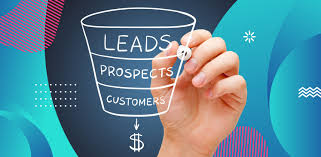
A B2B sales pipeline is the step by step process that moves a company from “potential buyer” to “paying customer” (and beyond).
In this guide, you’ll get 8 simple stages you can implement today. And for each stage, you’ll get:
What the stage means (plain English)
What to do (simple actions)
One KPI to track
A short example
How trade intelligence (using TradeWind AI as an example) can reduce manual research and improve targeting
Suggested visual: 8 block pipeline diagram in one horizontal flow, with alt text like “Eight stages of the B2B sales pipeline from lead generation to onboarding and expansion.”
Stage 1 — Lead Generation (Awareness)
Definition: Creating a steady flow of potential companies and contacts that match your ideal customer profile (ICP).
This is where most teams accidentally sabotage themselves.
They chase volume. Big lists. Random titles. A whole lot of “spray and pray.” Then they wonder why reply rates are low and demos are weird and nobody buys.
Lead gen is about quality and fit first, then volume.
What to do (simple steps)
Write a one paragraph ICP. Industry, company size, region, basic tech stack if relevant.
Pick 2 to 3 lead sources you can actually run every week (outbound list building, inbound content, partners, events).
Create a “reason to target” list. A few signals that suggest the company is changing, growing, or actively feeling the pain you solve.
For instance, if you're looking at the alkyd enamel industry in the United Arab Emirates, understanding top companies and market trends can provide valuable insights into your lead generation strategy.
KPI to track
ICP matched leads created per week (not total leads, ICP matched leads).
Quick example
If you sell accounting SaaS to mid market firms, you might start with companies in the 50 to 500 employee range.
Then prioritize the ones hiring finance roles, opening new locations, or expanding into new markets. Those changes usually create messy processes, which is when software becomes interesting.
How TradeWind AI helps (trade intelligence + AI lead gen)
Trade intelligence gives you a different kind of targeting. Instead of guessing who might be in pain, you can look for real operational signals.
Teams use TradeWind AI to:
Spot changes in import and export activity
Identify companies increasing shipments in a product category you specialize in
Build targeted prospect lists based on markets, shipment patterns, lanes, and product categories
So your lead gen list starts with “these companies are actively doing the thing” instead of “these companies might care.”
For instance, if you're interested in understanding the dynamics of Mexico's RTLS industry, or exploring Russia's air solutions industry, TradeWind AI can provide valuable insights. It can also assist in analyzing the UAE's solar panel battery charger and discharger industry or delving into Australia's mobile phone repair industry, providing you with comprehensive data to refine your lead generation strategy.
Suggested visual: a simple “ICP + lead sources” one page template.
Stage 2 — Lead Capture (Magnet → form / signup)
Definition: Turning anonymous interest into a contactable lead (email, phone, demo request, inbound form).
A lot of early stage teams are generating interest but not capturing it cleanly. Or they capture it, but the lead comes in with missing context so sales can’t act fast.
Lead capture is basically: don’t lose the thread.
What to do (simple steps)
Create one clear conversion path per channel. Where does the click go?
Keep forms short. Ask only what you’ll use.
Add one qualifying question that helps routing (company size, use case, “what are you using today”).
Send captured leads to a single place. CRM, spreadsheet, inbox, whatever. Just one.
KPI to track
Lead capture rate = conversions / visits (or replies / outbound sends).
Quick example
If you run outbound to logistics companies, you can send prospects to a “2 minute cost savings calculator” landing page.
Capture:
Work email
Company name
Company size
Current tool (dropdown)
That’s enough to follow up with a relevant message and route correctly.
How TradeWind AI helps
With TradeWind AI, you can leverage trade intelligence and identity matching to enrich and route leads faster. TradeWind AI can help teams:
Match an inbound company to the correct entity (less “is this the same ABC Logistics” confusion)
Route captured leads into the right segment using trade based firmographic signals (for example, active lanes, markets served, product categories)
Suggested visual: simple landing page wireframe plus “minimum form fields” checklist.
Stage 3 — Lead Enrichment & Qualification (MQL → SQL)
Definition: Adding missing context and deciding if a lead is worth sales time (Marketing Qualified Lead to Sales Qualified Lead).
This is where you protect your calendar.
If you skip qualification, sales spends time on bad fit accounts. If you over qualify, you kill momentum and lose good ones. So you want something simple and consistent.
Lead scoring = a simple points system to rank fit + intent.
Fit is “are they the right kind of company.” Intent is “are they showing signs they actually care.”
What to do (simple steps)
Decide your minimum qualification bar (your “SQL rules”).
Add a simple scoring model with two columns: Fit and Intent.
Enrich only what you need. Don’t turn this into a research project.
A basic approach:
Fit: industry, employee range, region, job role
Intent: demo request, pricing page visit, integration docs view, reply content
KPI to track
MQL to SQL conversion rate (or % of captured leads that become sales qualified).
Quick example
If you sell B2B SaaS to procurement teams, a lead from the right industry plus “requested integration info” probably scores higher than a generic ebook download.
Same company size. Same title. Totally different intent.
For instance, understanding the granite slab gravestone and memorial industry in Lithuania could provide valuable insights for your outreach strategy if you are targeting clients in that sector.
How TradeWind AI helps
This is where trade intelligence is unusually useful, because it can add hard signals, not just soft web intent.
TradeWind AI can support qualification by adding signals like:
Active shippers vs non shippers (huge difference in urgency)
New lanes opening
New supplier relationships forming
Changes in shipment frequency or volume
And because the system helps auto enrich and prioritize accounts, teams can qualify faster and more accurately without the usual spreadsheet chaos.
Suggested visual: scoring table with example points for Fit vs Intent.
Stage 4 — Outreach & Nurturing (Cold email / content)
Definition: Starting (or continuing) conversations until the buyer is ready for a meeting.
Most B2B deals are “not now.”
They are not “never,” they are just “we have other fires.” Which means the team that follows up with a calm, consistent system usually wins.
Outreach is not just sending messages. It’s running a sequence that creates enough relevance and trust for someone to say yes to a call.
For instance, if you're reaching out to potential clients in Thailand's synthetic organic pigment industry, understanding the market dynamics through this detailed analysis could be beneficial. Similarly, insights into Japan's insulation materials industry or Mexico's surgical lavage system industry could provide valuable context for your outreach efforts in those regions.
What to do (simple steps)
Choose one channel to start. Email is fine. LinkedIn is fine. Pick one.
Write one sequence with 4 to 6 touches over 14 to 21 days.
Personalize lightly. One real line is enough.
Separate “nurture” from “close.” Not every message needs a demo link.
A simple nurture content set:
One short case style story (problem, approach, result)
One checklist or template
One “common mistakes” post
One ROI angle, very basic
KPI to track
Reply rate (or meeting booked rate if you have enough volume).
Quick example
If you sell a tool to supply chain teams, instead of “following up,” you might send:
Message 1: one specific observation and a question
Message 2: a short example of how a similar company handled the problem
Message 3: a checklist or template
Message 4: direct ask for 15 minutes
Simple. A little uneven. Human.
How TradeWind AI helps
Personalization gets much easier when you have real triggers.
TradeWind AI can help teams:
Use trade intelligence triggers for outreach like “noticed increased shipments to X” or “new lane activity into Y”
Build tighter segments so messages aren’t generic
Prioritize outreach to accounts that look active right now, not just “in the industry”
That usually means fewer emails sent, and better replies.
Secondary CTA: Download the B2B Sales Pipeline Checklist (place this as a button in WordPress).
Button copy: Download the B2B Sales Pipeline Checklist
Suggested visual: anonymized cold email screenshot and a simple sequence timeline.
Stage 5 — Discovery & Demo (Needs assessment)
Definition: A structured conversation to confirm pain, fit, stakeholders, and timeline, then show only what matters in the demo.
Discovery = questions that uncover the buyer’s goals, constraints, and decision process.
If your demo feels like a feature tour, it’s probably too wide. If discovery is weak, the demo becomes guessing.
A good discovery call makes the demo smaller and sharper. Which is what buyers actually want.
What to do (simple steps)
Go in with a basic agenda: goals, current process, impact, stakeholders, timeline, next step.
Ask for one concrete example. “Walk me through the last time this happened.”
Confirm the “why now.”
End with a mutually agreed next step, scheduled live if possible.
Basic discovery questions:
What prompted you to look into this now
What happens if nothing changes
Who else cares about this
What tools are involved today
What does success look like in 30 to 90 days
KPI to track
Discovery to demo conversion rate (or demo to proposal rate depending on your flow).
Quick example
If selling SaaS to supply chain teams, focus the demo on how they monitor supplier risk and automate reporting.
Skip the advanced admin screens. Skip the edge cases. If they buy, they can learn that later.
How TradeWind AI helps
Trade intelligence gives you context before you even join the call. With TradeWind AI, you can gain valuable insights that enhance your discovery process. This tool can assist you in understanding:
Markets served
Lanes and shipment patterns
Supplier relationships (and changes)
Category activity that hints at where the pain might be
So instead of generic questions, you can ask sharper ones. And the demo becomes more tailored without extra prep time.
For instance, if you're exploring opportunities in Argentina's glass manufacturing industry, TradeWind AI's insights can provide crucial information about key players and market trends.
Suggested visual: a “Discovery call notes” template (Notion or Google Doc).
Stage 6 — Proposal & Quotation
Definition: Converting the agreed solution into a clear scope, price, timeline, and success criteria.
Proposals often fail for mundane reasons. They may be vague, mis-scoped, difficult to accept, or not clearly aligned with the buyer's stated needs. A successful proposal should feel like a concise summary of the discovery call rather than an alien document.
What to do (simple steps)
Start with the buyer’s goal articulated in their own words.
Define the scope by specifying what is included and what is not.
Provide a timeline that outlines responsibilities (your team vs their team).
Include success criteria to measure the effectiveness of the proposal.
Ensure readability. A one-page summary plus additional details is usually sufficient.
KPI to track
Proposal acceptance rate (or proposal to close rate). High rejection rates for scholarly book proposals can serve as valuable lessons in avoiding common pitfalls.
Quick example
If you sell a platform for trade compliance, consider including a phased rollout in your proposal:
2 weeks for data connection
2 weeks for workflows
Training and go live
This approach reduces apprehension and makes procurement and legal teams feel more at ease due to its structured nature.
How TradeWind AI helps
Trade intelligence outputs can support a tighter ROI story, particularly regarding time saved and reduction in research efforts. For instance, whether you're aiming to unlock Korea's home bath products distribution industry or unveil Japan's electric bicycle industry, TradeWind AI offers valuable insights.
Our platform can assist teams by:
Connecting the proposal to specific segment needs with clearer segmentation.
Supporting ROI narratives with operational context, where insights minimize manual research and enhance targeting.
Structuring the offer based on typical requirements of similar companies within that lane or category.
Moreover, we provide essential export data, which is crucial for over 5,000 manufacturers striving to conquer global markets by automating prospecting via EDM/social/voice channels.
For further guidance on crafting successful proposals, refer to this comprehensive resource on writing a successful proposal.
Suggested visual: proposal one pager mock layout.
Stage 7 — Negotiation & Closing
Definition: Resolving final objections (budget, legal, security, terms) and getting a signed agreement.
Most deals don’t die in negotiation. They stall.
And stalling is usually a “process” problem, not a “persuasion” problem. Unclear stakeholders. Unclear next steps. Unclear value proof.
So closing is often just getting the process out of the way, while keeping value clear.
What to do (simple steps)
Use a Mutual Action Plan. Even a tiny one.
Ask early about procurement, legal, and security steps.
Confirm the economic buyer (the person who can say yes).
Keep the final recap simple. Problem, impact, solution, timeline.
Common late stage objections to prep for:
“Not this quarter”
“We need to involve IT”
“We need SOC2 documentation”
“We need to compare vendors”
KPI to track
Close rate (SQL to closed won) or sales cycle length (days).
Quick example
If a prospect says “not this quarter,” offer a smaller pilot with:
A clear success metric
A short timeline
A pre booked expansion review date
This keeps momentum without forcing a full commitment.
How TradeWind AI helps
Trade based context can help you support urgency and keep qualification current.
TradeWind AI can help teams:
Keep account signals updated, so you don’t waste time re qualifying late in the cycle
Provide segmentation evidence that supports why this is relevant now (for example, growth in lanes, changes in suppliers, increasing activity)
Reduce time lost to manual updates that happen right when legal is asking for more info
Suggested visual: Mutual Action Plan table (stakeholder, step, owner, date).
Stage 8 — Onboarding & Expansion (Customer success)
Definition: Making the customer successful fast, then growing the account through retention, upsell, and referrals.
This stage is where a lot of “new logo obsessed” teams accidentally bleed revenue.
In B2B, growth is often driven by renewals and expansion. So onboarding is not just support. It is part of the pipeline.
You want a clear path to time to first value, and then a clear cadence for expanding usage.
What to do (simple steps)
Define TTFV. Time to first value.
Create a 30 day onboarding plan with owners and dates.
Set a week two review. Don’t wait until day 30 to find problems.
Decide what expansion signals look like (new teams, new use cases, increased volume).
KPI to track
Time to first value (TTFV) or activation rate (customers reaching the first success milestone).
Quick example
If your SaaS helps teams find suppliers, define TTFV as “first qualified supplier list delivered.”
Review results in week two. If they got value quickly, expansion conversations get easier without being pushy.
How TradeWind AI helps
Ongoing trade intelligence can surface expansion opportunities, because the customer’s world changes.
TradeWind AI can help by:
Surfacing new markets, lanes, or product activity that suggests the customer should expand usage
Keeping insights fresh for QBRs, so the success team can show progress with real context
Identifying “new opportunity” moments without waiting for the customer to ask
For instance, if a client is involved in sectors such as CNC machining, ongoing trade intelligence from TradeWind AI can help identify new markets or product activities that indicate potential areas for account expansion.
Suggested visual: onboarding timeline (Day 0, 7, 14, 30, 60).
Practical one page checklist (downloadable): Run the 8 stage pipeline weekly
If you want this to actually work, treat it like an operating system.
Not a big project. Not a “we’ll set it up later.” A weekly habit. 30 to 45 minutes. Same order. Same KPIs.
Below is the checklist you can turn into a PDF, plus a Notion or Trello template.
Secondary CTA: Button copy: Download the B2B Sales Pipeline Checklist
Weekly pipeline operating system (30 to 45 minutes)
Stage 1: Lead Generation
ICP still clear (no random industries creeping in)
One list built or refreshed (new accounts added)
One lead source reviewed (what worked, what didn’t)
Top 20 accounts prioritized for outreach
KPI: Leads created (ICP matched) this week: _______
Stage 2: Lead Capture
Landing page or inbound path tested (form works)
Minimum fields enforced (no form bloat)
Leads routed to the correct owner
Auto reply or confirmation email checked
KPI: Capture rate this week: _______
Stage 3: Enrichment & Qualification
New leads enriched with minimum required fields
Scoring applied (fit + intent)
Unqualified leads tagged and parked (not ignored)
SQL criteria still matches reality
KPI: MQL → SQL conversion this week: _______
Stage 4: Outreach & Nurturing
Sequences running (no gaps)
One personalization angle tested
Follow ups scheduled, not “remembered”
One nurture asset sent (checklist, story, ROI note)
KPI: Reply rate this week: _______
Stage 5: Discovery & Demo
Discovery notes template used for every call
Next steps booked live
Demos tailored to the single use case
Stakeholders identified
KPI: Discovery → demo (or demo → proposal) this week: _______
Stage 6: Proposal & Quotation
Proposal ties back to buyer goals (in their words)
Scope and timeline clear
Success criteria written
Risks and dependencies stated
KPI: Proposal acceptance rate this week: _______
Stage 7: Negotiation & Closing
Mutual Action Plan shared
Legal/security steps confirmed
Economic buyer confirmed
Close date and next meeting scheduled
KPI: Close rate (or cycle time) this week: _____-_
Stage 8: Onboarding & Expansion
TTFV milestone defined for new customers
Onboarding timeline sent
Week 2 review scheduled
Expansion triggers tracked
KPI: TTFV for newest customer: __
For effective lead generation and outreach, consider implementing performance-based pricing strategies, which allow you to pay based on outreach results. This means if out of 1,000 successfully sent emails, only 350 opened/replied, the remaining emails are reusable with no additional charge.
Suggested visual
Comparison table: Traditional pipeline vs TradeWind AI (trade intelligence assisted pipeline)
This is the practical difference. Not magic. Just fewer manual hours, better targeting, and faster prioritization.
Stage | Traditional approach | TradeWind AI approach |
Lead gen (list building) | Broad lists from directories, manual filtering, lots of guessing | Targeted lists using trade intelligence signals like activity changes by market, lane, category |
Qualification (signals) | Fit based on firmographics, intent mostly from web behavior | Adds “hard signals” from trade activity, helping prioritize accounts with real operational movement |
Outreach (personalization) | Generic personalization (title, company blurb), low relevance | Trigger based messaging using trade context like shipment increases, new markets, lane changes |
Discovery (context) | Rep spends time researching basics before the call | Walk in with context on markets served and activity patterns, ask sharper questions faster |
Expansion (triggers) | Expansion relies on customer asking or success noticing usage changes | Ongoing signals can surface new markets, lanes, or product changes to guide QBRs and expansion plays |
If you want examples of what this looks like in practice, link to internal pages like case studies or your product overview.
Conclusion & next steps: Build a pipeline you can actually run
A beginner friendly pipeline is not complicated. It’s consistent.
Lead generation flows into capture. Capture flows into enrichment and qualification. Then outreach and nurture create meetings. Discovery and demos shape the proposal. Negotiation closes. Onboarding creates retention and expansion.
Track one KPI per stage, run the checklist weekly, and you’ll get something most teams don’t have. A pipeline that is real, not just a CRM view.
Next steps (pick one, or use both):
Primary CTA: Try TradeWind AI — Book a demo (link to your demo page, and optionally pricing)
Secondary CTA: Download the B2B Sales Pipeline Checklist
Also helpful to add:
Integrations docs (connect to your CRM)
Publishing reminder: add alt text to visuals and keep tables readable on mobile.
For more information about how TradeWind AI works and its benefits over traditional approaches, check out our detailed comparison.
If you're interested in understanding specific market trends such as Saudi Arabia's LED lighting industry or energy engineering landscape, we have comprehensive analysis articles available for those as well.
Before proceeding with any actions or decisions based on our services or content, we encourage you to review our terms of service.
FAQ: Breaking down the B2B sales pipeline
What is a B2B sales pipeline, in simple terms?
It’s the step by step stages a company uses to move from a potential buyer to a paying customer, and then to renewal and expansion.
What’s the difference between a sales pipeline and a sales funnel?
A funnel describes the overall journey and drop off rates. A pipeline is the internal process the team runs to move specific accounts and deals forward.
How many stages should a B2B pipeline have?
Enough to be clear, not enough to be annoying. For most beginner teams, 6 to 10 stages is plenty. This guide uses 8 because it covers the full cycle including onboarding and expansion.
What KPIs should a beginner track?
Start with one KPI per stage. For example: ICP matched leads created, capture rate, MQL to SQL conversion, reply rate, demo to proposal, proposal acceptance, close rate, and time to first value.
What does MQL and SQL mean?
MQL (Marketing Qualified Lead): a lead that meets basic marketing criteria (captured and showing some interest).
SQL (Sales Qualified Lead): a lead that is a strong fit and is ready for direct sales follow up.
How does trade intelligence help B2B SaaS sales?
It can reveal operational signals, like import export activity changes, new lanes, or shifting supplier relationships. Those signals can improve targeting, qualification, personalization, and expansion timing.
Do I need a CRM to run a pipeline?
Not at first. You can start with a spreadsheet. But once volume grows, a CRM makes it easier to track stages, owners, follow ups, and conversion rates. If you do use a CRM, make sure your tools can connect via your integrations docs.
How long should a B2B sales cycle be?
It depends on price, complexity, and stakeholders. Many SMB and mid market SaaS deals range from a few weeks to a few months. The bigger point is to measure your current cycle time, then improve it stage by stage instead of guessing.
FAQs (Frequently Asked Questions)
What is a B2B sales pipeline and why is it important for SaaS lead generation?
A B2B sales pipeline is the step-by-step process that moves a company from a potential buyer to a paying customer and beyond. It provides clarity on what to do next, reduces lost leads, and improves handoffs, making it essential for effective B2B SaaS lead generation.
What are the 8 stages of a B2B sales pipeline?
The 8 stages include: (1) Lead Generation (Awareness), (2) Lead Capture (Magnet → form/signup), (3) Lead Enrichment & Qualification (MQL → SQL), plus five additional stages that guide prospects through to expansion. Each stage involves specific actions, KPIs, and examples to implement today.
How does TradeWind AI enhance the B2B sales pipeline process?
TradeWind AI uses trade intelligence and AI-enabled workflows to reduce manual research and improve targeting. It helps spot import/export activity changes, generate targeted prospect lists, enrich inbound leads by matching company identities faster, and route leads using trade-based firmographic signals.
What key tasks should be performed during the Lead Generation stage?
During Lead Generation, define your Ideal Customer Profile (ICP), choose channels like LinkedIn or email for prospecting, build initial contact lists, and validate target accounts. This ensures a steady flow of high-quality potential leads that fit your ICP.
How can I improve lead capture effectiveness in my B2B sales pipeline?
Create simple offers such as demos or checklists as lead magnets, build short landing page forms collecting essential information (name, work email, company), connect forms to your CRM with automated confirmation emails, and measure landing page conversion rates to optimize performance.
What is lead scoring and how does it help qualify leads from MQL to SQL?
Lead scoring assigns points based on fit and intent signals—typically 5 points for Ideal Customer Profile fit and 5 points for buying intent. Setting a clear Sales Qualified Lead threshold helps prioritize leads worth sales time while disqualifying unfit prospects based on criteria like region or company size.