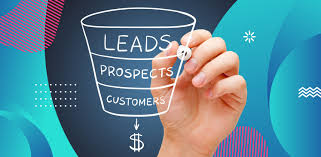
In 2026, most inboxes look like junk drawers. Overstuffed, noisy, and kind of hostile. At the same time, CAC keeps creeping up, and buyers are doing way more research before they ever talk to sales. Which sounds fine until you realize what “bad leads” actually cost. It’s not just wasted outreach time. It’s pipeline drag, calendar clutter, proposal churn, and that quiet morale hit when reps are doing a ton of activity and nothing moves.
Now add the extra layers in International Trade & Development and Specialty Trade Contractors.
Trade and development has multi-country compliance, tender and RFP dynamics, long deal cycles, and geopolitical risk that can flip a “yes” into a “maybe later” overnight. Contractors have project-based demand, brutal bid competition, local regs, tight margins, and the messy reality of subcontractor networks. Timing matters. Relationships matter. Proof matters.
So this article is the practical version of lead gen for 2026. Ten proven strategies that mix modern AI, precise targeting, and repeatable systems you can actually run. Each one includes how it fits these two industries, how to implement quickly, and what to measure so ROI is obvious.
Strategy #1: Build an ICP + Buying Committee Map (then target accounts, not “leads”)
Brief overview:
Your ICP is the filter that keeps you from wasting quarters on the wrong companies. The buying committee map is the reality check that stops you from selling to one person who cannot approve anything. In 2026, the best teams target accounts and committees, not random leads.
Why it works for these specific industries:
In International Trade & Development, deals often require procurement, compliance, finance, and local country stakeholders to align. Even when there’s a “champion,” approval tends to be distributed. In Specialty Trade Contracting, winning starts before bid day. Owners, GCs, estimators, facilities leaders, and procurement influence who even gets considered. A tight ICP plus a committee map reduces dead-end outreach and improves qualification speed because you know exactly who you need in the conversation.
Implementation steps:
Define your ICP in writing: firmographics (size, geography, project footprint), triggers (expansion, permitting, tenders), and disqualifiers (budget bands, project types you avoid).
Build a buying committee template by deal type: economic buyer, technical evaluator, procurement/compliance, local stakeholders, and influencers.
Create a “required fields” list in CRM for every new account: industry, regions, revenue band, current vendor, buying trigger, committee roles identified.
Align sales and marketing on one definition of MQL/SQL and what must be true before an opportunity is opened.
Prioritize a target account list (start with 50 to 200), then review it monthly like a living asset.
Expected outcomes/metrics:
Higher meeting-to-opportunity rate; shorter time-to-qualify; higher win rate because more deals include the real decision-makers earlier.
Industry example/use case:
A specialty contractor stops chasing “any commercial work” and focuses on healthcare retrofit projects in three metro areas. They target facility directors, capital projects managers, and GC estimators 60 to 120 days before bid season, which changes everything
Strategy #2: Use LinkedIn Sales Navigator to filter the exact buyers you need
Brief overview:
Sales Navigator is still one of the cleanest ways to find the right people fast, if you use it like a scalpel instead of a list scraper. You filter by role, seniority, geography, headcount, and signals, then engage with relevance.
Why it works for these specific industries:
Trade and development stakeholders are often split between HQ and in-country teams, and the real power can sit in compliance or procurement, not always “business development.” Contractors are similar in a different way. The decision-maker changes depending on project type. For a hospital renovation, it might be facilities plus an owner’s rep. For industrial plants, it might be EHS and operations plus a GC. Navigator helps you find the right person at the right company, instead of blasting the whole org chart.
Implementation steps:
Build two lead lists per account: (1) primary committee members, (2) influencers and adjacent stakeholders.
Use filters like seniority, function, years in role, and geography (especially for multi-region trade teams).
Set alerts for job changes, hiring, and company growth signals, then treat those alerts as outreach moments.
Run a simple 2-step outreach:
Step 1: insight + relevance (a specific observation, not a compliment)
Step 2: specific ask (15-minute fit check) with a clear outcome
Comment intelligently on 2 to 3 posts per week from target stakeholders to warm the name before the ask.
Expected outcomes/metrics:
Higher acceptance rates, more replies, and a better connect-to-meeting conversion rate when your messaging is role-specific.
Industry example/use case:
A trade advisory firm targets “Trade Compliance” leaders at mid-market manufacturers expanding into LATAM. They watch for alerts like “Director of LATAM Operations hired” and reach out within a week when priorities are still being set. This approach aligns with how to find your ideal customer in just 5 minutes, making it easier to connect with small business owners or navigate complex markets such as the UAE's power chair dealer market, as discussed in our article on unlocking the UAE's power chair dealer market.
Strategy #3: Leverage AI-Powered Lead Generation with TradeWind AI
Brief overview:
AI lead generation in 2026 is not about “send 10,000 emails while I sleep.” It’s about intelligence. The right system finds, scores, and surfaces opportunities earlier than your competitors, and it does the boring research work consistently. This is where AI-driven lead generation comes into play.
Why it works for these specific industries:
International Trade & Development lives on timing. New tenders, policy changes, sourcing shifts, port disruptions, sanctions updates, funding announcements. Miss a window and the deal is already shaped without you. Specialty contractors also run on early indicators: permits, project starts, owner capex plans, vendor prequalification cycles. TradeWind AI style intelligence reduces missed windows because it turns scattered signals into prioritized outreach lists your team can act on.
Implementation steps:
Define what counts as a “signal” in your world: tenders, permits, expansion announcements, new compliance roles, new facility builds, awards, shipping activity changes.
Set scoring rules that match reality: higher scores for your ICP + a trigger + the right region + the right project type.
Route top-scored opportunities to reps daily, with a required follow-up SLA (same day is ideal, 24 hours max).
Build templates that reference the signal directly, so the outreach feels earned, not automated.
Track what signals actually correlate with pipeline, then adjust scoring monthly.
Case study snippet / hypothetical ROI:
If a 6-person BD team saves 5 hours per week each on manual research using top AI prospecting tools, that’s 120 hours per month redirected to outreach and follow-up. In most teams, that becomes more qualified meetings, faster multi-threading, and fewer “we found out too late” losses.
Differentiate from generic AI tools:
Generic tools enrich contacts and write decent emails. Useful, sure. But trade-specific intelligence is the difference between knowing who to contact and knowing when to contact them. Real-time opportunity signals plus scoring tuned for cross-border and project-based sales is the whole game. For instance, understanding how AI-powered trade data can uncover high-value import leads can significantly enhance your strategy.
Moreover, this approach isn't limited to international trade and development sectors. The principles of revolutionizing real estate lead generation in 2026 can also be applied successfully in that industry.
Natural CTA:
Learn more about TradeWind AI’s capabilities (link to product page).
Expected outcomes/metrics:
More qualified first meetings per rep, faster speed-to-lead on high-intent triggers, and a higher opportunity creation rate from the same headcount.
In addition to this lead generation strategy for international trade and development sectors, we also provide valuable insights into [unlock
Strategy #4: Publish “decision-stage” thought leadership (trade publications, whitepapers, and bid-ready guides)
Brief overview:
Decision-stage content isn’t “what is trade compliance” or “benefits of hiring a contractor.” It’s content that answers the scary questions buyers ask right before they shortlist vendors. The kind that makes procurement feel safe.
Why it works for these specific industries:
Trade buyers need confidence around compliance, risk, audit readiness, reliability, and documentation. Contractors need proof of execution, safety performance, schedule control, and cost certainty. When you publish decision-stage assets, you pre-qualify leads. You also give sales a clean reason to reach out that doesn’t feel like a cold pitch.
For instance, if you're in the US fitness industry, publishing a comprehensive guide addressing compliance and risk could significantly boost buyer confidence. Similarly, in the US pharmaceutical industry, providing decision-stage assets can streamline vendor selection for procurement teams.
Implementation steps:
Identify 5 to 10 “decision fears” you hear on calls (audit risk, sanctions exposure, downtime, safety incidents, cost overruns).
Create one flagship asset per fear: whitepaper, bid-ready guide, checklist, or vendor comparison sheet.
Place it where buyers already are: trade publications, industry associations, partner newsletters, and your own resource hub.
Gate lightly if you must, but always offer a “send me the PDF” option so friction stays low.
Arm sales with a content-first sequence that uses the asset as the reason to contact and follow up.
Expected outcomes/metrics:
Higher inbound lead quality and better proposal conversion because buyers come into conversations already trusting your process.
Industry example/use case:
A specialty contractor publishes a “Preconstruction Checklist for Hospital Renovations.” Facilities teams forward it internally, and suddenly the contractor is getting invited to bid by people who already believe they understand the risks.
This strategy isn't limited to any one sector. For example, the insights from Poland's energy storage and solar industry can be leveraged in similar contexts. Likewise, understanding the US's sublimation lanyard industry or exploring the UAE's elevator industry can provide valuable insights for decision-stage content creation.
Strategy #5: Create SEO landing pages for niche services (built around how buyers actually search)
Brief overview:
Broad services pages are polite and vague. Niche landing pages are money. In 2026, buyers search with intent, and they search specifically.
Why it works for these specific industries:
Trade and development buyers often search by country, regulation, and task: documentation, sanctions, customs filings, funding compliance. Contractors search is even more local and trade-specific: city + trade + project type + timeline pressure. Niche pages convert because they match the buyer’s exact mental query, not your org chart.
Implementation steps:
Build one landing page per niche service + market combination (yes, it’s work, but it compounds).
Use intent keywords that signal buying: “service provider,” “consultant,” “near me,” “requirements,” “cost,” “RFP,” “prequalification.”
Add proof that matters: certifications, safety stats, project photos, compliance frameworks, turnaround times.
Add one strong CTA: book a fit call, request a quote, request an assessment, download a checklist.
Track conversions by page and review call recordings and CRM outcomes to refine copy.
Expected outcomes/metrics:
Consistent inbound SQLs, lower CPL over time, and higher close rates from high-intent traffic.
Industry example/use case:
A trade solutions provider ranks for “export documentation services UAE” and captures leads from SMEs expanding into the Gulf, without paying for ads on every click.
Strategy #6: Run targeted ABM campaigns for high-value accounts (ads + outreach + direct mail)
Brief overview:
ABM is focus. You define a list of high-value accounts, then coordinate touchpoints across ads, outreach, content, and sometimes physical mail, so you stay visible and credible.
Why it works for these specific industries:
Deal sizes can be large, cycles can be long, and buying committees can be wide. ABM works because it keeps your message in front of multiple stakeholders. For trade and development, that might be compliance plus procurement plus regional ops. For contractors, it might be owners plus GCs plus estimators plus safety. You are not trying to “convert a lead.” You’re trying to become the obvious safe choice before the RFP or bid is locked.
Implementation steps:
Start with 25 to 100 target accounts and map at least 3 stakeholders per account.
Build one account-specific value angle: risk reduction, speed, audit readiness, downtime minimization, schedule certainty.
Run ads narrowly (LinkedIn or programmatic) that match the value angle and push to a decision-stage asset.
Coordinate outreach sequences that reference the same theme as the ads, so it feels consistent.
Add a physical touch for top accounts: executive briefing packet, printed compliance checklist, project portfolio, or a short “what to watch this quarter” memo.
Expected outcomes/metrics:
Higher engagement within target accounts, increased meeting rates with senior buyers, and more multi-threaded opportunities.
Industry example/use case:
A specialty contractor targets the top 50 industrial plants in-region with messaging around safety, downtime minimization, and shift-friendly scheduling. They stay present long enough that when the next shutdown project hits, they get called.
This ABM strategy can also be adapted for various sectors such as Spain's home improvement and interior design industry, Germany's home improvement and flooring industry, or even Vietnam's pet food market where targeted campaigns can yield significant results.
Strategy #7: Host webinars and briefings on compliance, regulations, and market shifts
Brief overview:
Webinars work when they’re tight, specific, and genuinely useful. Not “industry trends 2026.” More like “What changed and what you need to do next week.”
Why it works for these specific industries:
Trade & development leaders care about policy changes, tariffs, sanctions, documentation, funding rules, and how to reduce exposure. Contractors care about code updates, safety requirements, scheduling constraints, and cost volatility. Educational events pull in people with active pain, and that pain makes qualification faster. Also, it positions you as low-risk, which matters a lot in both industries.
For instance, a recent webinar on the United Arab Emirates fire hydrant power supply industry provided crucial insights that helped attendees navigate significant market shifts.
Implementation steps:
Pick one sharp topic with urgency: sanctions update, new tariff rule, upcoming code change, permit shifts, labor constraints.
Invite through partners, associations, and targeted lists, not just your newsletter.
Keep it short (30 to 45 minutes), and include a practical takeaway checklist.
Follow up within 24 hours with segmented sequences:
Attended: send slides + offer next step
No-show: send recording + one question
Clicked offer: direct outreach with a calendar link
Offer one clear conversion action: compliance assessment call, project scoping call, audit readiness review, or estimate consult.
Expected outcomes/metrics:
Qualified leads with explicit pain points, plus improved sales velocity when follow-up is immediate and personal.
Industry example/use case:
An international trade consultancy runs a sanctions update briefing and converts attendees into compliance assessment calls because the stakes are real and the timing is right.
Strategy #8: Use industry trade shows and networking events with a pre-booked meeting system
Brief overview:
Events still work in 2026 if you stop treating them like a booth expense and start treating them like a pipeline campaign. Pre-booked meetings are the difference.
Why it works for these specific industries:
International trade is relationship-heavy and trust-driven, especially when risk is high. Contracting is local and referral-based, and face time accelerates credibility. In-person conversations compress weeks of back and forth into one real interaction. But only if you show up with a plan and a calendar.
Implementation steps:
Identify 20 to 50 target people attending (sponsors list, speakers, past attendee lists, LinkedIn event pages).
Outreach 3 to 4 weeks early with a simple offer: “15 minutes to compare notes on X.”
Build a meeting calendar with fixed slots and a specific location plan (booth, lobby, coffee spot).
Capture notes immediately after each meeting and assign next steps the same day.
Post-event, run a 72-hour follow-up: recap, tailored proof, and one clear next step (site visit, quote, compliance audit).
Expected outcomes/metrics:
More SQLs per event, higher post-event conversion, and shorter trust-building cycles.
Industry example/use case:
A specialty contractor books 12 pre-set meetings at a regional builder expo and converts 3 into bid invitations because they did the work before they arrived.
Strategy #9: Build strategic partnerships with complementary providers (and swap warm intros)
Brief overview:
Partner-led growth, as discussed in this a16z podcast about ecosystem-led growth, is still one of the highest ROI channels when done deliberately. The goal is not “let’s collaborate sometime.” The goal is warm intros at the right moment.
Why it works for these specific industries:
Trade ecosystems matter. Forwarders, customs brokers, insurers, banks, inspection firms, and software platforms often see the need before you do. Contracting ecosystems are basically the whole market: architects, GCs, suppliers, engineers, consultants. Partners can introduce you when a buyer is already moving, which means higher close rates and less convincing.
Implementation steps:
List 20 potential partners who already serve your ICP but do not compete with you.
Create a joint offer that is easy to say yes to: “customs risk health check,” “bid readiness review,” “preconstruction compliance checklist.”
Establish a monthly intro quota and a simple tracking sheet or CRM source tag for partner pipeline.
Co-market lightly: one webinar, one checklist, one shared email per quarter is enough to start.
Reward high-performing partners with reciprocal intros, revenue share (if appropriate), or priority support.
Expected outcomes/metrics:
Higher close rates than cold leads and lower CAC due to trust transfer.
Industry example/use case:
A trade compliance firm partners with a freight forwarder to offer a “customs risk health check” for new exporters. The forwarder looks like a hero, and the compliance firm gets warm, perfectly timed leads.
This strategy aligns with the findings from 2022's best partnership ecosystems learnings, showcasing the power of leveraging existing relationships in achieving substantial growth.
Strategy #10: Mine and enrich data sources (D&B, trade registries, permit data) + trigger outreach with intent signals
Brief overview:
Authoritative data sources plus intent triggers is one of the most underrated ways to find buyers entering a window. The key is acting fast, not just collecting data.
Why it works for these specific industries:
Trade activity leaves footprints: shipments, registrations, new supplier relationships, tender awards, expansion notices. Project activity leaves footprints too: permits, zoning, bid postings, awards, site mobilization. If you see those signals early, you can influence vendor lists before they harden.
Implementation steps:
Choose your sources: D&B, trade registries, tender portals, permit databases, local planning filings, award announcements.
Enrich records with contact data and committee roles (do not stop at “info@”).
Define intent triggers and SLAs: outreach within 24 to 48 hours of a new permit, tender mention, award, or expansion signal.
Create 3 to 5 trigger-based outreach templates that reference the signal directly and offer a helpful next step.
Track which triggers produce real pipeline and prune the rest.
Expected outcomes/metrics:
More at-bat opportunities, better timing, and higher conversion because your outreach matches a real event.
Industry example/use case:
A specialty contractor spots a permit filing for a warehouse expansion and reaches the GC with a capability deck before subs are finalized. They are early, relevant, and suddenly not “just another bidder.”
Conclusion: Turn these 10 strategies into a repeatable 2026 lead engine
Winning in 2026 is about precision, timing, and systems. Not more spam. You want fewer targets, better targets, faster follow-up, and proof that you’re the low-risk choice.
If you want a simple rollout plan, do it like this: start with ICP + buying committee mapping and Sales Navigator so your targeting stops leaking time. Add TradeWind AI to speed up research and prioritize signal-based opportunities. Then layer in content, SEO, ABM, webinars, events, partnerships, and intent-trigger data so results compound instead of resetting every month.
Measure the boring stuff that actually matters: rep-hours saved, SQL rate, pipeline value, win rate by channel, and speed-to-lead on triggers.
Pick two strategies to implement this week. Seriously, two. Then commit to a 30-day measurement cycle and make decisions based on what moved pipeline, not what felt busy.
FAQ: B2B lead generation in 2026
What is the fastest way to improve lead quality in 2026?
Tighten your ICP and map the buying committee per deal type, then focus outreach on a prioritized account list. Most “lead quality” issues are targeting issues.
How many target accounts should we start with for ABM?
Start with 25 to 100 accounts. Fewer is fine if deal sizes are large. The key is multi-threading and consistent touches, not a massive list.
Are cold emails dead in 2026?
No, but generic cold emails are. Signal-based outreach, role-specific messaging, and strong relevance still work. The bar is just higher now.
What metrics should sales directors track across these strategies?
At minimum: meeting-to-opportunity rate, SQL rate, speed-to-lead (especially on triggers), pipeline sourced by channel, win rate by channel, and CAC payback period.
How do International Trade & Development teams find leads before an RFP is released?
Use intent signals and ecosystems. Monitor tenders, policy changes, funding announcements, and trade activity data, and build partnerships with firms that see projects forming early.
How do Specialty Trade Contractors generate leads without racing to the bottom on bids?
Get in earlier. Use permits, owner capex signals, GC relationship mapping, and decision-stage proof content so you are invited, not just competing on price.
Where does AI actually help in lead gen without making things spammy?
AI helps most with research, scoring, and timing. It should surface the right opportunities and context so humans can write outreach that feels specific and real. For instance, best AI tools for B2B in trade sectors can significantly enhance lead generation efforts.
How long does it take for SEO landing pages to produce SQLs?
Typically 3 to 6 months for meaningful traction, sometimes faster in local or niche searches. The payoff is compounding inbound leads with lower CPL over time.
What should we do within 24 hours after a webinar or event?
Segment follow-up based on behavior, send the promised asset immediately, and offer a specific next step. Speed and relevance matter more than fancy sequences.
How do we keep these strategies from becoming “too many initiatives”?
Run them as a system. One ICP, one target account list, one set of triggers, one set of success metrics. Add channels only when you can measure and maintain them.
FAQs (Frequently Asked Questions)
What makes B2B lead generation in 2026 more challenging and measurable?
B2B lead generation in 2026 faces challenges like inbox saturation, rising customer acquisition costs (CAC), and buyers conducting extensive research before engaging with sales. This environment increases the cost of bad leads due to wasted time and pipeline drag, making lead quality more critical and measurable.
How can building an ICP and buying committee map improve B2B lead targeting?
Defining an Ideal Customer Profile (ICP) and mapping the buying committee allows businesses to prioritize account lists and target key decision-makers such as economic buyers, technical evaluators, and procurement stakeholders. This approach reduces wasted outreach, improves lead qualification, shortens time-to-qualify, and enhances win rates by focusing on better-fit accounts.
Why is LinkedIn Sales Navigator effective for finding B2B leads in international trade and specialty contracting?
LinkedIn Sales Navigator enables precise filtering of decision-makers based on role, seniority, geography, company size, and industry. For international trade and specialty contractors, where stakeholders are distributed across regions or vary by project type, this tool helps find the exact buyers rather than just companies, increasing engagement relevance and improving connect-to-meeting conversion rates.
What advantages does AI-powered lead generation like TradeWind AI offer for B2B leads in 2026?
TradeWind AI provides trade-specific intelligence that identifies, scores, and surfaces opportunities ahead of competitors. It delivers automated prospect identification across global markets, industry-specific lead scoring based on compliance profiles and urgency signals, real-time market alerts (tenders, policy changes), and integrates with CRM systems to streamline workflows—reducing research time and minimizing missed opportunities.
How do international trade complexities affect B2B lead generation strategies?
International trade involves multi-country compliance requirements, long deal cycles, tender/RFP dynamics, and geopolitical risks. These factors necessitate targeted strategies that consider diverse stakeholders across regions, compliance challenges, and extended approval processes to effectively qualify leads and manage pipeline stages.
What key metrics should businesses monitor when implementing these B2B lead generation strategies?
Businesses should track metrics such as meeting-to-opportunity conversion rates, time-to-qualify leads, win rates from targeted accounts, reply and acceptance rates from outreach efforts (especially via LinkedIn Sales Navigator), as well as CRM data reflecting lead scoring accuracy and pipeline velocity to ensure ROI and time efficiency.
About



Featured Posts



Explore Topics