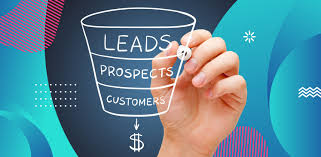
B2B SaaS lead generation is harder than it looks.
Sales cycles run 3 to 12 months. Buying decisions include multiple stakeholders. CAC gets squeezed by competitive markets. And your buyer is not waiting for you to educate them. In most categories, prospects complete 60 to 70% of their research before they ever reply to an outbound email or fill out a demo form.
That changes everything.
Generic cold outreach gets ignored. Broad PPC campaigns bleed budget. Content that is not mapped to intent creates MQLs that never convert. The winners build systems, not tactics. They combine data, targeting, timing, personalization, and multi-channel distribution into a repeatable pipeline engine.
This guide is that system.
You will get 15 essential strategies you can implement independently, but that work best when connected as one integrated lead generation methodology. Where it makes sense, you will also see how modern AI prospecting and enrichment platforms (like TradeWind AI) can accelerate execution by automating research, improving qualification, and surfacing real-time buying signals.
TradeWind AI's advanced features allow for automated email outreach with a built-in AI spam detection feature, ensuring that your messages land in the inbox rather than the spam folder. This is crucial in a landscape where generic cold outreach often gets ignored.
Furthermore, TradeWind AI provides valuable insights into specific industries such as Saudi Arabia's LED lighting industry, helping businesses tailor their strategies effectively.
The Lead Gen Framework: Build an Engine, Not a Channel
High-performing B2B SaaS teams align around a few non-negotiables:
Quality over quantity. High LTV demands high-fit leads.
Timing matters. Intent beats volume.
Personalization is required. One-to-many messaging gets filtered.
Speed wins deals. Fast follow-up compounds conversion rates.
Iteration is the strategy. You do not “set and forget” pipeline.
The 15 strategies below are designed to work like connected gears: ICP clarity improves scoring, scoring drives ABM, ABM improves outbound conversion, outbound performance improves retargeting audiences, and every touchpoint feeds back into your data model.
1) Build a Data-Driven ICP (And Keep It Updated)
What it is:
A quantified Ideal Customer Profile built from your best customers, not opinions. It defines firmographics, technographics, triggers, and disqualifiers.
Why it works:
If you target the wrong accounts, everything downstream breaks: messaging, demos, trials, onboarding, retention. A precise ICP increases win rate and reduces sales cycle length.
How to implement:
Pull 20 to 50 closed-won deals and 20 closed-lost deals.
Analyze patterns: industry (like Lithuania's granite slab gravestone and memorial industry, Malaysia's vacuum cleaner industry, Spain's drill bits distributor industry, Thailand's synthetic organic pigment industry, or Belgium's wind turbine erection industry), employee count, region, stack, maturity, funding, growth rate.
Identify trigger events: hiring sprees, tool migrations, compliance changes, new leadership.
Document disqualifiers: low ACV potential, missing infrastructure, unsupported regions.
Publish an ICP scorecard that Sales and Marketing both use.
Pro tip:
Your ICP should include a “must-have pain,” not just a company size. Pain drives urgency.
Expected results:
Within 30 to 45 days, expect higher reply rates and fewer bad-fit demos. Within 90 days, improved win rate and lower CAC.
2) Map the Buying Committee (Roles, Pain, and Success Metrics)
What it is:
A stakeholder map that defines the typical decision-makers and influencers involved in your deals, including what each role cares about.
Why it works:
Most deals die in “internal consensus.” If your messaging only speaks to one persona, you create blockers you never see.
How to implement:
Review call recordings and CRM notes from recent deals.
List recurring roles: Champion, Economic Buyer, Technical Buyer, Security, Procurement, Legal.
For each role, define top objections and success metrics.
Build persona-specific talk tracks and assets.
Train SDRs to multi-thread early.
Pro tip:
Create a “forwardable summary” slide or email that champions can paste internally.
Expected results:
In 60 to 90 days, expect higher multi-threading rates and fewer stalled deals.

3) Implement Predictive Lead Scoring (Fit + Intent + Engagement)
What it is:
A scoring model that prioritizes accounts based on ICP fit, buying signals, and interaction behavior.
Why it works:
Your team’s scarcest resource is attention. Scoring ensures SDRs work the highest probability opportunities first.
How to implement:
Define Fit variables (ICP match): firmographics + technographics.
Define Intent variables: topic research, competitor comparisons, review site visits.
Define Engagement variables: email replies, webinar attendance, high-intent page views.
Assign weights and thresholds for SQL routing.
Review and recalibrate monthly.
Pro tip:
Avoid scoring vanity engagement like generic blog views. Weight actions tied to evaluation.
Expected results:
In 2 to 6 weeks, faster speed-to-lead and higher SDR productivity. Over a quarter, better pipeline quality.
Tool acceleration:
Platforms like TradeWind AI, which can reduce manual scoring work by automating enrichment and detecting intent patterns that correlate with pipeline creation, are invaluable. For instance, they could help identify potential leads in niche markets such as Russia's air solutions industry, UAE's CNC machining and welding industry, Algeria's paprika industry, or even Australia's mobile phone repair market.
4) Use Intent Data to Time Outreach (Not Just Target It)
What it is:
Detecting in-market behavior (topics, comparisons, category research) and triggering outreach while urgency is highest.
Why it works:
B2B buyers self-educate. If you show up during research, you become part of the shortlist. If you show up after, you fight incumbents.
How to implement:
Identify your highest-converting intent topics (pain keywords, category keywords, competitor keywords).
Set up intent monitoring by account and by persona.
Route high-intent accounts into fast outbound sequences.
Tailor messaging to the exact topic cluster they’re researching.
Measure lift versus non-intent cohorts.
Pro tip:
Intent without personalization still underperforms. Mirror the research trail in your first 2 lines.
Expected results:
Within 30 days, higher open and reply rates. Within 60 to 90 days, increased meeting conversion.
Tool acceleration:
TradeWind AI can act as an “intelligence layer” by surfacing buying signals and automatically connecting them to enriched account context.
For instance, if you're targeting sectors like Saudi Arabia's energy engineering landscape or analyzing the Netherlands exit button industry, having precise intent data can significantly enhance your outreach effectiveness.
5) Product-Led Capture for B2B (Even If You’re Sales-Led)
What it is:
Using product experiences to generate qualified leads: free trial, freemium, interactive demo, sandbox, or ROI calculator.
Why it works:
It reduces perceived risk and creates behavioral proof. Product usage is the strongest qualification signal you can get.
How to implement:
Identify a “first value” moment that can happen in under 10 minutes.
Gate advanced features behind clear upgrade triggers.
Instrument events that correlate with conversion (activation milestones).
Route PQLs to Sales instantly with context.
Create lifecycle messaging based on in-app behavior.
Pro tip:
Do not ship a trial without a success path. A trial without activation is a churn machine.
Expected results:
In 4 to 8 weeks, you should see higher lead-to-opportunity conversion from PQLs than MQLs.

6) Build High-Intent Landing Pages (One Page Per Pain)
What it is:
Dedicated pages aligned to a single pain point, audience segment, or use case, designed to convert with minimal friction.
Why it works:
B2B SaaS is contextual. A generic “Book a demo” page forces the prospect to do the translation.
How to implement:
Pick your top 5 pains by segment (for example: compliance reporting, onboarding automation, SOC 2 workflows).
Create one landing page per pain with proof, outcomes, and a targeted CTA.
Add social proof that matches the segment (logos, quotes, benchmarks).
Embed friction reducers: calendar, security overview, integration list.
A/B test headline + CTA monthly.
Pro tip:
Match ad copy and outbound messaging to the exact page variant. Message continuity improves conversion.
Expected results:
In 2 to 4 weeks, higher conversion rates on paid and outbound traffic.
7) Build a “Proof Library” That Sales Can Deploy Instantly
What it is:
A centralized set of assets mapped to funnel stages: case studies, one-pagers, security docs, ROI models, implementation plans.
Why it works:
Deals slow down when prospects ask for proof and you scramble. Fast proof delivery keeps momentum.
How to implement:
Create 3 case studies: one per core segment.
Build a 1-page value summary per persona.
Prepare a security and compliance pack (SOC 2, DPA, architecture diagram).
Put everything in a searchable repository and link it in sequences.
Pro tip:
“Proof” is more credible when it’s specific: time saved, error reduction, cycle time improvement, payback period.
Expected results:
In 30 to 60 days, fewer delays post-demo and improved close rates.
8) Outbound That Doesn’t Sound Like Outbound (Relevance at Scale)
What it is:
Hyper-relevant outbound built on account intelligence, persona pain, and timing signals. Short. Direct. Useful.
Why it works:
B2B inboxes are brutal. Relevance is the filter. Specificity wins attention.
How to implement:
Build segmented lists aligned to ICP slices (not one mega list).
Enrich every account: stack, initiatives, hiring, recent news, role scope.
Write 3 to 5 sequence variants per segment and persona.
Use multi-channel touches: email + LinkedIn + call + voicemail + retargeting.
Review copy weekly based on reply reasons, not just rates.
Pro tip:
Stop writing “checking in.” Start writing “here’s what I noticed + why it matters.”
Expected results:
In 2 to 3 weeks, better reply quality. In 6 to 8 weeks, steady meeting flow if volume and targeting are consistent.
Tool acceleration:
TradeWind AI can automate enrichment and surface context that makes personalization faster and less manual.

9) Account-Based Marketing (ABM) for Your Top 25, 100, and 500 Accounts
What it is:
A tiered ABM program that allocates effort based on account value: white-glove for top accounts, programmatic for the rest.
Why it works:
Big deals require orchestration. ABM aligns Sales and Marketing on the same named accounts and moves them together.
How to implement:
Define tiers: Tier 1 (25), Tier 2 (100), Tier 3 (500).
Build account plans for Tier 1: stakeholder map, triggers, tailored assets.
Run targeted ads and LinkedIn engagement for Tier 2 and Tier 3.
Launch coordinated plays: webinar invites, executive emails, direct mail (selectively).
Measure account progression, not just leads.
Pro tip:
ABM fails when you treat it like demand gen. It is pipeline orchestration, not impressions.
Expected results:
In 60 to 120 days, higher meeting-to-opportunity conversion and larger deal sizes in ABM cohorts.
As you consider implementing this strategy, it's essential to understand the specific market dynamics of your target sectors. For instance, if you're looking into Mexico's RTLS industry, or exploring the surgical lavage system industry in Mexico, having an ABM approach can significantly enhance your outreach efforts.
Similarly, if your focus is on the solar panel battery charger and discharger industry in the UAE, or the sugar plant engineering EPC agency landscape in Brazil, a well-executed ABM strategy can provide you with a competitive edge.
Lastly, be sure to leverage performance-based pricing models such as TradeWind AI's which allow you to pay based on outreach results—ensuring that you only invest in successful engagements.
10) Partner-Led Growth (PLG’s Enterprise Cousin)
What it is:
Generating leads through integrations, agencies, consultancies, marketplaces, and technology alliances.
Why it works:
Partners collapse trust-building time. They also bring you deals that already have budget and urgency.
How to implement:
Identify partners already serving your ICP (not generic “channel partners”).
Build a joint value proposition and co-sell motion.
Create partner enablement: pitch deck, battlecards, referral process.
Co-market with webinars, case studies, and marketplace listings.
Track sourced vs influenced pipeline by partner.
Pro tip:
A partner program without enablement is a logo page, not a growth channel.
Expected results:
In 90 to 180 days, partner pipeline becomes reliable if you commit to mutual distribution.
11) Retargeting That Supports the Sales Cycle (Not Just Clicks)
What it is:
Paid retargeting built around deal stages: awareness, evaluation, security review, procurement.
Why it works:
B2B buyers need repetition and reassurance. Retargeting keeps you present while internal discussions happen.
How to implement:
Build audiences: site visitors by page intent, demo attendees, target accounts, CRM lists.
Serve stage-specific creative: case study, security, integration, ROI proof.
Sync with outbound timing for “surround sound.”
Pro tip:
Retargeting works best when it distributes proof assets your reps already send.
Expected results:
In 30 to 60 days, increased return visits and higher conversion on re-engaged accounts.

12) SEO That Targets Bottom-Funnel Queries (Not Traffic)
What it is:
Search content engineered for evaluation-stage intent: comparisons, alternatives, pricing, implementation, security, integration.
Why it works:
Traffic is not pipeline. Bottom-funnel SEO attracts buyers who are already building a shortlist.
How to implement:
Build a BOFU keyword set: “[Category] software,” “best [category],” “X vs Y,” “X alternatives,” “SOC 2 [category].”
Publish high-structure pages with real differentiators and proof.
Add product screenshots, workflows, and implementation details.
Create internal linking paths to demos and proof assets.
Update quarterly. BOFU content decays fast as competitors change.
Pro tip:
Write your comparison pages ethically. Prospects can smell manipulation. Be specific about fit.
Expected results:
In 3 to 6 months, BOFU SEO can become one of your highest-intent inbound sources.
13) Webinars and Virtual Events Built for Pipeline (Not Attendance)
What it is:
Events designed to create sales conversations: focused topic, tight audience, clear next step.
Why it works:
Webinars let you demonstrate expertise quickly and generate multi-stakeholder engagement from one account. For instance, using platforms like Zoom can enhance this engagement.
How to implement:
Pick a topic tied to a budget line item (compliance, time savings, risk, revenue).
Co-host with a credible partner or customer.
Require business email and role on registration.
Run live Q&A and offer a tailored follow-up asset.
Route attendees by intent: questions asked, time attended, pages visited after.
Pro tip:
The highest-intent signal is not attendance. It’s the questions they ask.
Expected results:
In 2 to 4 weeks, webinar-sourced meetings. In 60 days, influenced pipeline if follow-up is disciplined.
14) Nurture Sequences That Convert Cold Leads Into Warm Deals
What it is:
Automated, persona-specific nurture that moves leads through awareness to evaluation using proof, education, and triggers.
Why it works:
Most leads are not ready now. Nurture protects your acquisition cost and increases eventual conversion.
How to implement:
Segment nurture tracks by persona and pain.
Build a 6 to 10 touch sequence over 30 to 45 days.
Mix content types: short insights, case studies, ROI, implementation, security.
Add trigger branches: if they visit pricing, send ROI; if they view security, send compliance pack.
Hand off to SDR when intent crosses a threshold.
Pro tip:
Nurture should feel like a product briefing, not a newsletter.
Expected results:
In 45 to 90 days, increased conversion from older leads and improved pipeline efficiency.
This approach can be particularly effective in niche markets such as Japan's insulation materials industry, where understanding specific buyer personas and their pain points can significantly enhance the effectiveness of your nurture sequences.
15) Continuous Conversion Optimization (CRO) Across the Entire Funnel
What it is:
A cadence of testing and optimization across ads, landing pages, forms, emails, sequences, and handoff workflows.
Why it works:
Small improvements compound. A 10% lift at each stage can double pipeline over time without increasing spend.
How to implement:
Define your funnel metrics: visit-to-lead, lead-to-meeting, meeting-to-SQL, SQL-to-close.
Identify the biggest bottleneck by volume and impact.
Run one test at a time with clear success criteria.
Document learnings and standardize winners.
Review monthly with Sales + Marketing together.
Pro tip:
Do not optimize for MQL volume. Optimize for pipeline per lead and win rate by source.
Expected results:
Meaningful lift in 30 days if you focus on high-leverage bottlenecks; compounding impact across quarters.
If you want this to run like an engine, connect the pieces:
ICP + stakeholder map define who you target and what you say.
Predictive scoring + intent data define when you engage.
Enrichment + personalization define how you win attention at scale.
ABM + outbound + retargeting create multi-channel pressure.
Proof library + webinars + nurture keep deals moving.
CRO turns every quarter into a measurable performance upgrade.
The manual way works, but it does not scale cleanly. This is where AI-powered prospecting and intelligence platforms like TradeWind AI, can remove the bottlenecks: enrichment, research, prioritization, and signal detection. That gives your team more time for the work that matters. Conversations. Strategy. Closing.
With TradeWind AI, which has already helped over 5,000 manufacturers conquer global markets by scanning custom data & 100+ local sources for prospects while automating with EDM/social/voice, you can leverage AI to enhance your conversion optimization process significantly.
For instance, if you're in the glass manufacturing industry and looking for key players and market insights in Argentina, TradeWind AI's resources can be invaluable as seen in this detailed analysis of Argentina's Glass Manufacturing Industry.
Similarly, if you're interested in exploring France's body piercing industry or the US vehicle surveillance camera system industry for potential market opportunities or partnerships, TradeWind AI offers comprehensive insights as highlighted in these articles about France's Body Piercing Industry and US Vehicle Surveillance Camera System Industry.
Final Takeaway
B2B SaaS lead generation is not a hack. It is a system.
Pick three strategies to implement this month. Build them properly. Measure pipeline impact. Then layer in the next three.
Do that for two quarters, and you will stop “doing lead gen” and start running a predictable pipeline machine worldwide, across segments, channels, and sales cycles.
About



Featured Posts



Explore Topics